CBT Foundation Course - Becoming a Trainer
Most new instructors begin with no structure, weak guidance, and no understanding of how the DVSA expects a CBT Course to be delivered.
The result
Nervous instructors – Poor lesson delivery – Failed assessments.
Your Investment: £2195 | Duration: 5 Days

Teaching Guides

Lesson Plans

Training Diagrams

Training Videos

Training Glossary
NB. If no dates are showing – Call us and we will open a date for you.
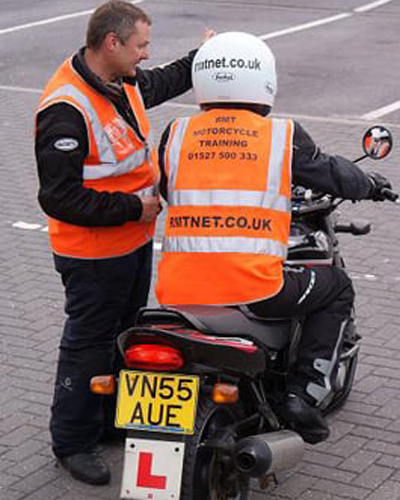

Learn To Teach Properly Before You Start - Not After You’ve FAILED!
The CBT Foundation Course is the essential first step for anyone who wants to become a motorcycle instructor the right way.
It gives you the structure, professional teaching skills, with DVSA aligned teaching methods needed to instruct safely and confidently from day one.
This is not tick-box training
This is professional motorcycle instructor training built around proper educational standards.
Who This Course Is For
Ideal for anyone wanting to begin CBT instructor training, including:
- Riders who want to become Motorcycle Instructors
- Newly down-trained instructors who need proper structure
- Instructors lacking confidence in CBT delivery
- Anyone wanting to learn the role correctly from day one
- Instructors who have failed assessments and at risk of being struck off
Prerequisites
- Age 21+
- Full Category A or A2 licence (held for 3+ years)
- Maximum 3 penalty points
- No criminal convictions
This course provides the correct foundation for DVSA CBT Motorcycle Instructor training.

Why new Instructors struggle (and how we fix it)
Most instructors fail early on because they never receive proper motorcycle instructor training.
They are taught how to get through, rather than proper teaching methods.
Common issues this Course eliminates:
 Poor delivery of lessons
- No professional lesson planning
- No client-centred learning techniques
- No proper feedback or risk-assessment framework
- No real teaching strategies or educational knowledge
- No clear understanding of CBT structure from a learners perspective
We fix these problems with structured CBT Motorcycle Instructor training, aligned to DVSA expectations and adult-education standards.
What You’ll Learn
1
CBT Structure & DVSA Expectations
- Full breakdown of Elements A-E
- Learning outcomes and delivery standards
- What DVSA Enforcement Officers look for in new instructors
2
Four Core Lesson Delivery Structures
To become a Motorcycle Instructor, you must master the four professional teaching frameworks:
Classroom Teaching (Element A & D)
- Theory delivery
- Lesson set-up
- Managing learner expectations
Explanation-Based Training (Element B)
- Using the bike as a prop
- Clear demonstrations & practise phase
- Explaining technical concepts
On-Site Coaching (Element C, EDIP methodology)
- Explain – Demonstrate – Imitate – Practise
- Use teaching techniques
- Safe progression with fault analysis and remedial advice
On-Road Client-Centred Training (Element E)
- Coaching trainees on the move whilst riding
- Commentary and direction instructions
- Hazard awareness and decision-making
3
Professional Lesson Planning
- How to create structured CBT lesson plans
- Setting meaningful learning objectives
- Managing time and safe progression
- Adapting for different rider abilities
4
Riding Skills Development
- Slow control, balance, coordination and deportment
- Using the motorcycle controls properly
- Roundabouts, junctions and dealing with traffic
- Road positioning and vision
- Hazard perception & situational awareness
5
Teaching Strategies & Adult-Education Skills
- Adult-learning principles applied to CBT delivery
- Coaching methods and implementation process
- Feedback techniques that develop riders
- Managing anxiety
- Dealing with mixed-ability groups
- Building learner confidence with calm instruction
5-day Course Structure
Day 1
The foundations of teaching learner riders
(Element A & B)
Day 2
EDIP Lesson Planning and Delivery
(Elements B & C)
Day 3
On-site Training with EDIP methodology (Elements C & D)
Day 4
On-road theory sessions and practical training (Elements D & E)
Day 5
Mock scenarios, consolidation & lesson planning
Motorcycles are provided for this training course, you do not need to bring your own motorcycle for this course.
What’s Included
1. Professional Training
✓ 5 days intensive CBT guidance
✓ Delivered by qualified educators with 100+ years experience
✓ Purpose-built instructor training facility
2. Digital Resources (Lifetime Access)
✓ 100+ professional training videos
✓ Structured CBT lesson plans for every lesson
✓ 100+ Training Diagrams
✓ Methods of Instruction guide (teaching handbook)
✓ Free access to the Motorcycle Training App & Logbook
3. Certification & Ongoing Development
✓ Certificate of completion
✓ Personal development plan
✓ Recommended pathway to DVSA qualification
✓ Follow-up support and guidance
Success Story
“The training videos and lesson plans were invaluable. This opened my eyes because my initial grasp was limited. The resources provided a solid knowledge base essential before teaching.”
Julien Ward, Qualified Instructor
FAQs
What Happens Next?
Your pathway after the CBT Foundation Course:
- Gain practical teaching experience
- Complete DVSA CBT Assessment Training
- Pass the DVSA assessment
- Become a fully qualified CBT Motorcycle Instructor
- Become a fully qualified DAS Motorcycle Instructor
You should also be an advanced motorcyclist too, this means you have some extra knowledge and riding techniques that only professional trainers possess.
This is not a ‘nice to have’, it’s a ‘need to have’ to be seen as a professional Motorcycle Instructor. Sadly not many trainers hold an Advanced Riding certificate.